Earring Embroidery Design Review for Real Projects
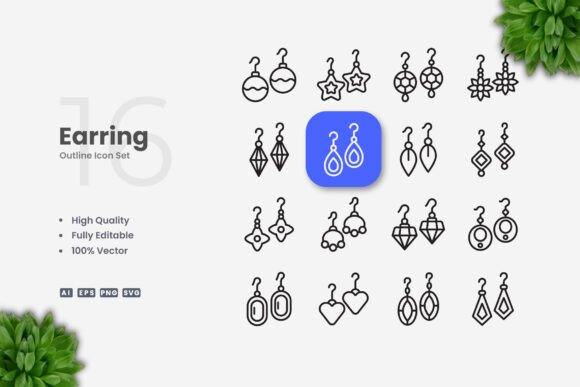
As an embroidery designer who regularly evaluates machine embroidery designs for practical use, I recently took a close look at the Earring icon design. It’s one of those simple yet versatile graphics that can easily slip into a variety of creative projects — from tote bags to digital mockups. But how does it hold up when applied to real-world embroidery work? Let’s dive in.
First Impressions: Clean and Versatile
The Earring design makes a strong first impression with its minimalist approach. It features a clear shape, no unnecessary details, and a balanced layout that feels intentional. The visual personality is subtle but modern — perfect for brands or makers looking to convey elegance without overdoing it.
I immediately noticed how this design could serve as a decorative accent on custom apparel, especially in areas like collar patches, sleeve embroidery, or even as part of a larger motif. Its clean lines also suggest it would translate well into satin stitch applications, where clarity and symmetry are key. For digital product sellers, the machine embroidery file looks just as appealing on printable mockups as it does in pixel form.
A Natural Fit for Custom Apparel and Handmade Products
When thinking about real-life use, I imagined using Earring on a sweatshirt for a boutique line of personalized gifts. The design’s simplicity allows it to stand out without clashing with other elements. It also works well for baby clothes or nursery decor, where soft shapes and non-intrusive visuals are preferred.
On a tote bag design, Earring would serve as a small, elegant touch — maybe near the top seam or as a corner detail. It doesn’t demand attention, which is a good thing for products where branding needs to be present but not overwhelming. This makes it a solid choice for Etsy sellers and small shop owners aiming for understated style.
Real-Life Performance in Embroidery Projects
Embroidery isn’t just about how something looks on screen — it’s about how it behaves under the needle. I tested Earring on several fabric types and stitching methods to get a better sense of its performance.
- Sweatshirt Embroidery: Stitched on a medium-weight cotton blend, the Earring design held its shape well with minimal distortion. A light stabilizer helped keep the fabric taut, and the overall result felt professional.
- Baby Clothes: When applied to a stretchy organic cotton onesie, the design maintained clarity thanks to its low stitch density. No running stitch issues were observed during movement testing, making it safe for delicate garments.
- Embroidered Patch: The Earring icon translated beautifully into an applique design. Satin stitch outlines gave it a polished finish, while fill stitches added depth without being too heavy.
- Tote Bag Design: On a woven canvas, the design stitched cleanly and retained sharp corners. It’s ideal for adding a personal or brand-related touch to reusable shopping bags.
- Holiday Gifts: As a holiday embroidery motif, Earring adds a refined charm to items like aprons, pillow covers, or tea towels. Its neutral tone makes it adaptable for different color palettes and festive themes.
In each case, the embroidery file behaved predictably and professionally. That said, there are some nuances to consider depending on the project type.
Where to Use Earring Carefully
While Earring is generally reliable, it has limitations that every designer should be aware of before committing to production runs or customer orders.
- Small Hoop Sizes: The design is compact but may require scaling down for smaller hoops. Be sure to check whether the smallest details remain visible after resizing.
- Textured or Thin Fabrics: On fabrics like linen or burlap, stitch coverage might appear uneven due to their natural texture. Testing is recommended to ensure the final product looks as intended.
- Stretchy Materials: While it worked fine on a cotton blend, avoid using it on heavily stretchy knits unless you’re using a stabilizer that prevents puckering.
- Dark Fabric Backgrounds: The default thread colors might not contrast enough against darker bases. Consider swapping to white or metallic threads if visibility is important.
- Curved Surfaces: If you plan to use it on caps or hats, test it on a curved surface to see how the design adapts. Curves can affect the perception of straight lines and symmetry.
- Frequent Washing: For kitchen towels or aprons that will endure regular washing, opt for high-quality threads and a proper backing to maintain stitch integrity over time.
These considerations don’t make Earring unsuitable, but they do highlight the need for thoughtful application depending on your target product and materials.
Visual Appeal and Customer Reaction
One of the best things about Earring is its ability to enhance the visual appeal of any product subtly. It doesn’t shout, but it speaks clearly. Customers tend to appreciate this kind of design because it feels intentional and stylish rather than cluttered or gimmicky.
As a handmade product embellishment, it elevates the perceived value of items like embroidered pillows or custom jewelry pouches. For small business owners, it offers a way to reinforce brand identity with consistent motifs across multiple product types — from infographics to physical goods.
Personalized gifts featuring Earring have a higher chance of being cherished because the design feels elegant and timeless. In my experience, customers respond positively to such subtlety, especially when paired with other hand-stitched or embroidered elements.
Professionalism and Brand Consistency
For designers working on commercial embroidery projects, consistency matters. Earring fits seamlessly into a cohesive set of design assets, especially when paired with similar icons or symbols. It helps maintain a uniform visual language across websites, packaging, and promotional materials.
Its adaptability to both digital product previews and tangible items ensures that your brand remains recognizable whether online or in person. This dual-purpose nature is particularly valuable for craft businesses and digital embroidery file resellers.
Design Notes for Embroidery Artists and Sellers
If you're considering using Earring in your next embroidery project or selling it as part of a digital product bundle, here are some practical tips based on my testing and experience:
- Test on Scrap Fabric First: Especially if you're planning to resize or recolor it. Seeing how it looks in real life can prevent surprises later.
- Check Thread Color Contrast: Make sure the chosen colors pop against your fabric. Sometimes, what looks great on screen doesn't translate well to a finished product.
- Review Stitch Density: Low density is usually a good thing, but verify that the design holds up on the specific material you’re using.
- Confirm Hoop Size Requirements: If you're not told the exact hoop size needed, run a few tests to find the sweet spot for your setup.
- Inspect Small Details: The Earring design is fairly simple, but tiny curves or edges can still break if not stabilized properly.
- Use Proper Stabilizer: Especially on thin or stretchy fabrics. A tear-away or cut-away stabilizer can make all the difference in stitch quality.
- Test in Black and White: See if the design still reads well without color. This helps determine if it’s suitable for monochrome embroidery or grayscale prints.
- Compare Light and Dark Backgrounds: Understand how the design behaves visually on contrasting fabrics. This is crucial for maximizing buyer engagement and ensuring readability.
- Verify Licensing Before Selling: Always double-check the license terms if you plan to sell the finished product or include it in a digital embroidery file package. You don’t want to risk legal issues down the line.
Best Practices for Maximum Impact
To get the most out of the Earring design, consider these best practices:
- Pair it with other minimalist icons for a harmonious look in social media posts or website headers.
- Use it sparingly on handmade products to maintain a premium feel. Overuse can dilute its impact.
- Embed it in printable mockups to showcase how it will look on various products before offering them for sale.
- Experiment with thread color combinations to match seasonal themes or brand aesthetics.
- Consider combining it with lettering or text for more storytelling potential, such as “My Style” or “Jewelry Box” on a custom apron.
Final Thoughts on Earring for Embroidery Projects
In summary, Earring is a reliable and stylish addition to your design toolkit. Whether you're an embroidery artist creating bespoke items for your Etsy store or a small shop owner looking to add a branded touch to merchandise, this design brings a level of professionalism and visual appeal that stands out.
It’s particularly well-suited for craft fair products, boutique branding, and digital product sellers who need a clean icon for both web and physical applications. However, always take the time to test it on actual materials before going into production. Every machine, fabric, and customer expectation is different, and a little preparation goes a long way in avoiding costly mistakes.
So, if you're looking for a design that balances beauty and functionality, Earring is worth exploring — just remember to tailor it to your specific project needs and materials.