Reviewing Online Shopping Color Icons for Embroidery
As a designer who spends half the day staring at vector files and the other half troubleshooting tension issues on my embroidery machine, I have developed a keen eye for what translates well from screen to fabric. Not every digital asset survives the transition to thread. Some designs look stunning in a flat lay but become a tangled mess of dense stitching when executed. This is why I approach every new acquisition with a healthy dose of skepticism and a practical mindset. Today, I am putting Online Shopping Color Icons through its paces, evaluating it not just as a graphic asset, but as a viable component for real-world embroidery projects, commercial merchandise, and handmade gifts.
First Impressions: Clean Lines Meet Thread Potential
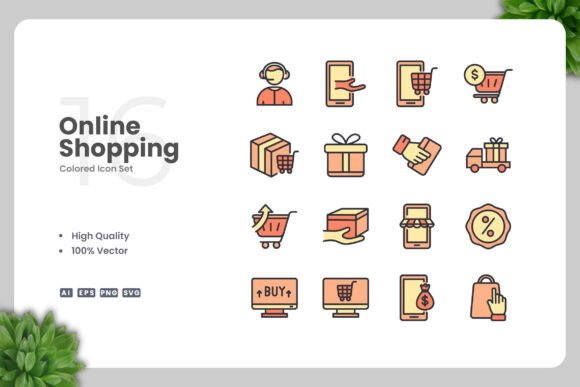
The first thing that strikes you about Online Shopping Color Icons is its simplicity. In a market saturated with overly intricate floral motifs and complex typographic blends, this set stands out because it respects negative space. The description highlights a "simple and clean design," which is music to an embroiderer’s ears. Complexity often leads to puckering, especially on lightweight fabrics or stretchy knits. These icons are designed to be resized and edited in vector software, a feature that screams versatility. For an embroiderer, this means you aren't locked into a rigid file structure; you can adjust the scale to fit specific hoop limitations without losing the integrity of the shape.
The visual personality of these icons is modern, crisp, and universally recognizable. They evoke a mood of efficiency and digital convenience, yet they possess a warmth due to their color palette (which, naturally, must be recreated in thread). When I look at a shopping cart icon or a user profile silhouette, I don’t just see a symbol; I see a potential brand identifier. For small business owners and Etsy sellers, this recognition factor is invaluable. Customers understand these symbols instantly, which adds a layer of professional polish to your finished product.
Real-World Application: From Tote Bags to Tech Accessories
To truly test a design, you have to imagine it on a physical object. Let’s say you are preparing a batch of custom embroidered tote bags for a local craft fair. You want something that appeals to the modern shopper—someone who values both aesthetics and utility. Online Shopping Color Icons fits this niche perfectly. A single, well-placed shopping bag icon in vibrant thread colors can elevate a plain canvas tote from a generic giveaway to a boutique-style accessory.
Consider also the application on custom apparel. Sweatshirts and hoodies are staples in the handmade gift market. A subtle, clean icon placed over the heart or on the cuff adds a touch of personality without overwhelming the garment. Because these graphics are originally intended for websites, mobile apps, and infographics, they share a DNA with digital interfaces. Translating that digital clarity into a tactile embroidery project creates a fascinating contrast. It bridges the gap between our online lives and our physical wardrobes.
I also envision these icons performing exceptionally well on smaller items like embroidered patches or laptop sleeves. The clean lines ensure that even at smaller scales, the design remains legible. For digital product sellers, creating printable mockups of these icons on various backgrounds can help visualize how they might look as part of a larger branding suite, including social media banners and flyers.
Technical Considerations: Where Caution is Required
While the design is promising, no embroidery project is without its challenges. As an experienced reviewer, I must point out where Online Shopping Color Icons requires careful handling. The primary concern lies in the execution of fine details. If the original vector paths contain tiny corners or extremely thin strokes, these may not hold up well under the pressure of a needle.
When working with machine embroidery design files, stitch density is king. If the design calls for too many stitches in a small area, it can create a stiff, uncomfortable patch on the fabric. I strongly advise testing the design on scrap fabric first. Pay close attention to how the stitch density interacts with the fabric texture. On textured fabrics like denim or heavy cotton, fine details might get lost. Conversely, on smooth satin or silk, the threads might slip if the stabilizer isn't chosen correctly.
Another critical factor is the hoop size. While the ability to resize is a benefit, resizing too much can distort proportions. Ensure that the final stitched size allows for adequate spacing between elements. Also, consider the thread colors carefully. Since the original design relies on color for distinction, your thread selection must replicate that contrast effectively. Testing in black and white mockups before committing to expensive specialty threads can save you time and material.
Impact on Product Value and Brand Consistency
For Etsy sellers and small shop products, consistency is key to building trust. Using a cohesive set of icons across different products—such as matching a logo on a cap with a similar style icon on a tea towel—creates a professional brand identity. Online Shopping Color Icons offers this cohesion. The uniform style ensures that whether a customer buys a personalized gift for a holiday or a custom apparel item for themselves, the quality and aesthetic feel consistent.
This consistency enhances buyer engagement. People are drawn to products that look intentional and well-designed. A poorly executed embroidery job can signal low effort, but a clean, precise icon suggests care and precision. This perception directly impacts the perceived value of the item, allowing you to command higher prices for your handmade product offerings. Furthermore, the versatility of these icons makes them suitable for commercial embroidery projects, such as corporate gifts or branded merchandise, where a professional image is paramount.
Practical Designer Notes for Success
- Test Before You Stitch: Always run a test stitch-out on the actual fabric you plan to use. This reveals issues with tension, puckering, or detail loss that simulations cannot show.
- Check Stabilizer Compatibility: Use the appropriate stabilizer for your fabric type. Heavy-duty cut-away stabilizers are often necessary for stretchy fabrics to prevent distortion.
- Review Satin Stitches: Ensure that the borders of your icons are converted to proper satin stitch paths. Rough edges can look unfinished and fray over time.
- Color Contrast Matters: Verify that your chosen thread colors provide sufficient contrast against the background fabric. Low-contrast combinations can make the design disappear.
- Licensing Verification: Before selling finished items, confirm the licensing terms. While the design is editable, commercial use rights vary. Ensure you have permission to sell products made with these design assets.
In conclusion, Online Shopping Color Icons is a versatile, high-quality resource for designers looking to add a modern touch to their embroidery work. Its clean aesthetic and adaptability make it suitable for a wide range of applications, from holiday embroidery gifts to boutique branding. By paying attention to technical details like stitch density and fabric choice, you can transform these simple digital graphics into compelling, tangible products that resonate with customers. Whether you are a hobbyist making a baby embroidery gift or a seasoned pro fulfilling a large order, this set offers a reliable foundation for creative expression.